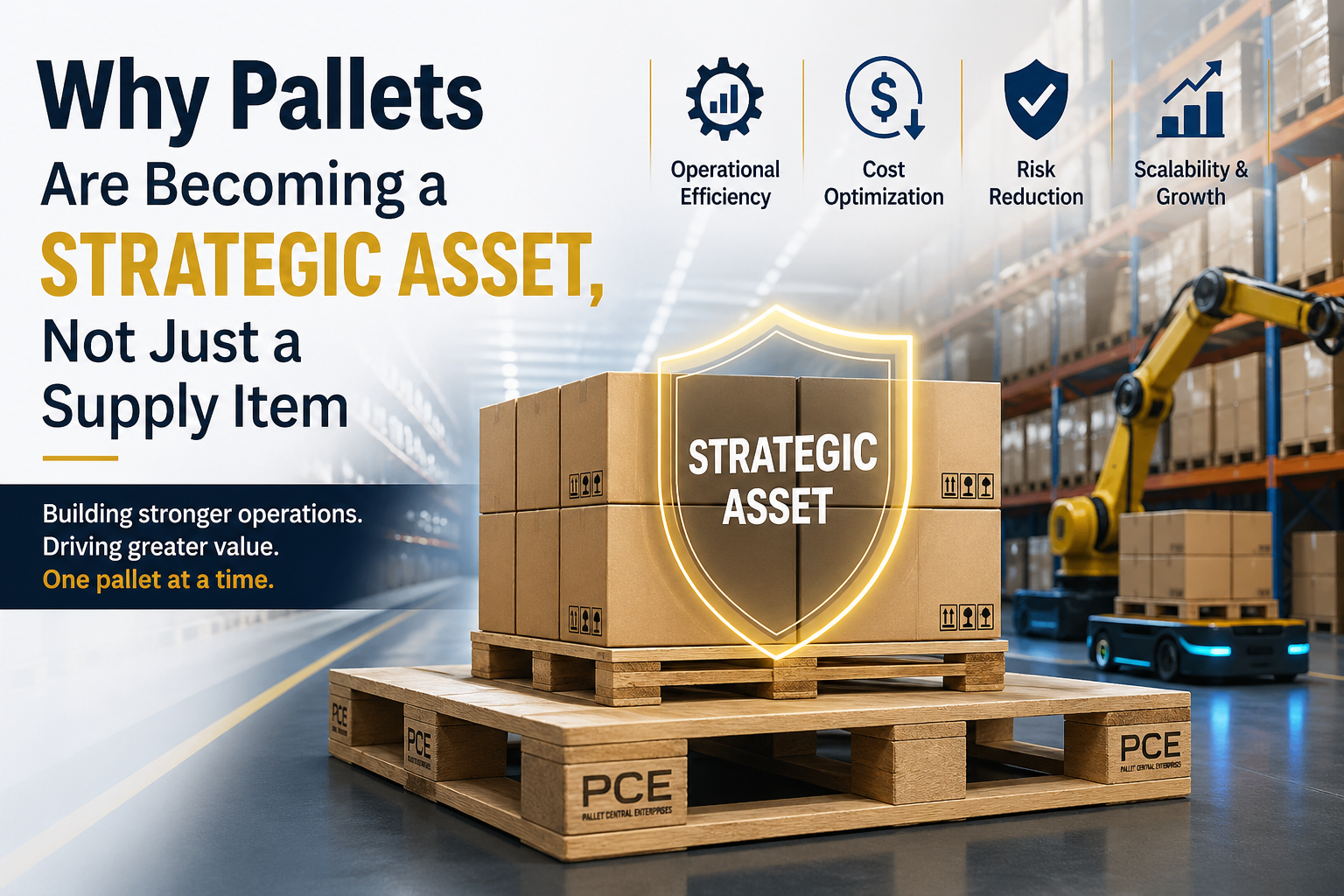
Have you ever stopped to think how much influence a pallet has on your entire operation? It may look simple, yet today pallets are becoming a strategic asset that directly impacts efficiency, cost control, and scalability.
For years, businesses treated pallets as a low-cost necessity. The goal was simple: buy cheap and replace when needed. However, supply chains have evolved. Speed, automation, and precision now define success.
Because of this shift, pallets are becoming a strategic asset in modern logistics. Companies are no longer focused only on cost. Instead, they focus on performance, lifecycle, and long-term value.
The Evolution of Pallets in Modern Supply Chains
Pallets were once handling tools. They helped move goods from point A to point B. That worked in slower, less complex systems. Today, logistics operates at a completely different pace. Warehouses process higher volumes. Delivery windows are tighter. Automation demands precision.
This shift has changed how companies view pallets. Instead of being passive tools, pallets now influence how efficiently operations run. For instance, inconsistent pallet sizes can disrupt conveyor systems. Weak structures can lead to product damage. These small issues quickly turn into costly problems. As a result, pallets are becoming a strategic asset that businesses actively optimize rather than overlook.
Modern supply chains depend on reliability. Even minor inefficiencies can create delays across the system. Therefore, companies are investing in better pallet design, stronger materials, and standardized dimensions. These changes improve flow and reduce disruptions.
How Pallets Impact Supply Chain Efficiency
Efficiency is no longer optional. It defines competitiveness in today’s logistics environment. Pallets affect efficiency at multiple levels. They influence storage, handling, transportation, and compatibility with automation.
Improving Warehouse Flow
A well-designed pallet moves smoothly through a warehouse. It stacks easily, fits racking systems, and reduces handling effort.
On the other hand, poor pallet quality creates bottlenecks. Workers spend more time adjusting loads or dealing with damage. Because of this, pallets are becoming a strategic asset for improving operational flow.
Reducing Product Damage
Load stability plays a huge role in product safety. Strong pallets keep goods secure during transit. When pallets fail, products shift or break. This increases returns and replacement costs. Therefore, investing in durable pallets directly protects revenue.
The Rise of Pallet Lifecycle Management
Another major shift is how businesses manage pallets over time. Instead of treating them as disposable, companies now focus on lifecycle value.
What Is Pallet Lifecycle Management?
Lifecycle management tracks pallets from purchase to reuse, repair, and recycling. This approach maximizes value and minimizes waste.
Rather than constantly buying new pallets, businesses extend the life of existing ones.
Key Benefits of Lifecycle Thinking
- Lower long-term replacement costs
- Better consistency across operations
- Reduced environmental impact through reuse
Because of these advantages, pallets are becoming a strategic asset that supports both cost savings and sustainability goals.
Supporting Warehouse Optimization Through Better Pallets
Warehouse optimization is all about using space, time, and resources efficiently. Pallets play a central role in this process.
Space Utilization and Storage Efficiency
Standardized pallets improve how goods are stored. They fit better in racks and allow for more organized layouts. This leads to better use of available space. Therefore, warehouses can store more without expanding their footprint.
Labor and Handling Efficiency
Better pallets also reduce manual effort. Workers spend less time fixing unstable loads or replacing damaged pallets. As a result, operations run faster and with fewer interruptions. This is another reason why pallets are becoming a strategic asset in warehouse planning.
Automation Is Driving the Need for Better Pallets
Automation is reshaping logistics. From conveyors to robotic systems, precision is now essential.
Why Automation Requires Consistency
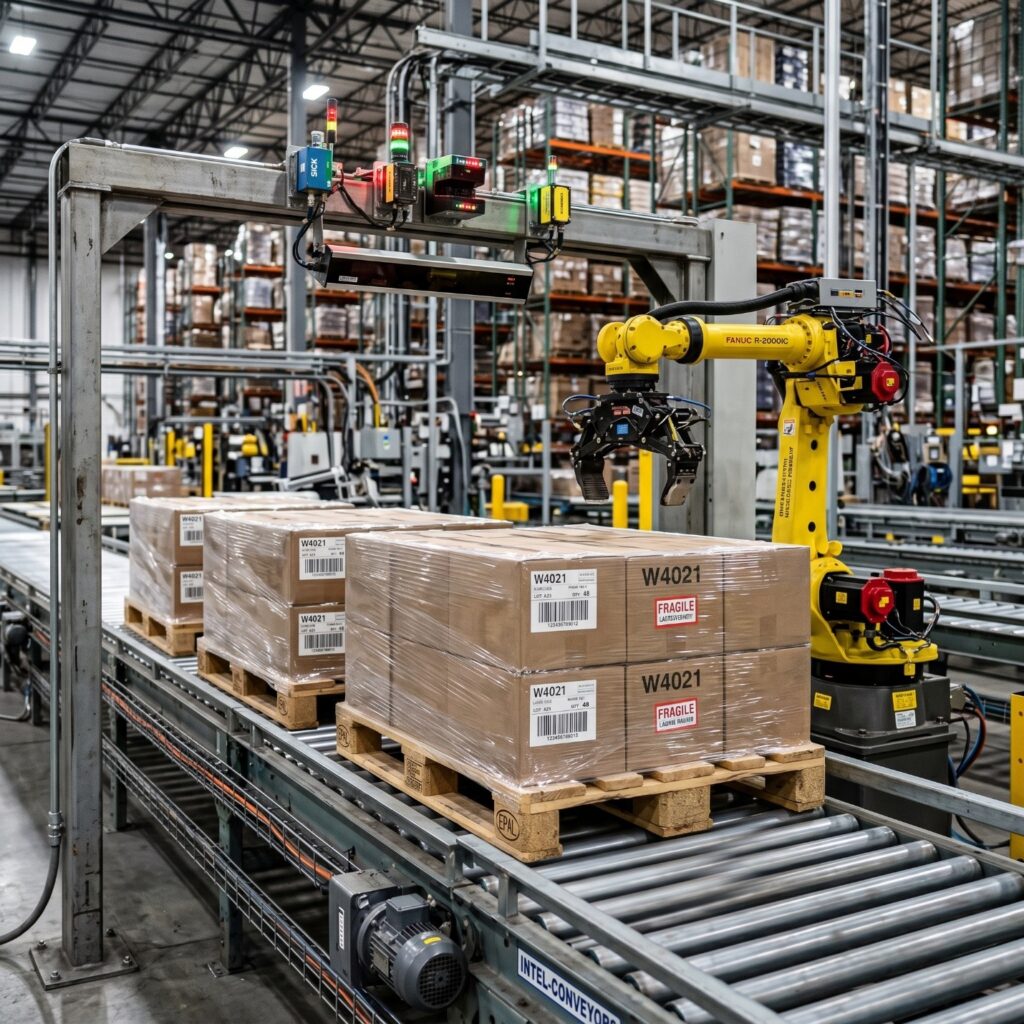
Automated systems rely on uniform inputs. Even slight variations in pallet size or structure can cause disruptions. For example, uneven pallets may jam conveyor belts or misalign robotic arms.
Pallets as a Foundation for Automation
To avoid these issues, businesses need pallets with consistent dimensions and strong construction. Therefore, pallets are becoming a strategic asset in automation strategies. They ensure systems run smoothly without costly downtime.
Cost Optimization Through Strategic Pallet Use
At first glance, pallets seem like a small expense. However, their impact on total costs is significant.
Looking Beyond Purchase Price
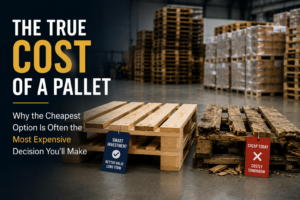
Cheap pallets often lead to higher long-term costs. They break easily, require frequent replacement, and increase product damage. In contrast, high-quality pallets last longer and perform better.
Long-Term Savings and Efficiency
When companies shift their mindset, pallets are becoming a strategic asset that contributes to cost reduction. They reduce waste, improve efficiency, and lower operational risks. Over time, these savings add up.
How Pallet Central Enterprises Supports Strategic Pallet Management
As businesses adopt this new mindset, having the right partner becomes essential. Pallet Central Enterprises helps companies move beyond basic pallet supply.
They offer solutions designed for durability, efficiency, and modern logistics demands. Their approach supports automation, improves lifecycle management, and enhances overall supply chain performance. With the right strategy and support, businesses can fully embrace the idea that pallets are becoming a strategic asset.
Preparing for the Shift Toward Strategic Pallet Use
The transition is already underway across industries. Companies are rethinking how they manage pallets and their role in operations.
Instead of viewing them as expendable, they now see long-term value. Because of this, pallets are becoming a strategic asset that supports growth, efficiency, and scalability. Those who adapt early will gain a clear operational advantage.
Strategic Pallet Use in Supply Chain Planning
As supply chains become more complex, planning must go beyond inventory and transportation. Pallets now play a direct role in strategic decision-making.
Aligning Pallets with Operational Goals
Businesses are increasingly aligning pallet selection with their overall logistics strategy. This includes selecting the right materials, sizes, and designs based on shipment type and handling system.
For example, lightweight pallets reduce transportation costs. Durable pallets support long-distance shipping. Standardized pallets improve warehouse efficiency. Because of this alignment, pallets are becoming a strategic asset that contributes to broader business goals.
Enhancing Inventory Control and Visibility
Pallets also support better inventory management. When combined with tracking systems like RFID, companies gain real-time visibility into pallet movement. This improves asset utilization and reduces losses. Therefore, businesses can manage inventory more effectively while lowering operational risks.
The Role of Reusable and Sustainable Pallet Systems
Sustainability is now a major focus in logistics. Companies are looking for ways to reduce waste while maintaining efficiency.
Moving Toward Reusable Packaging Systems
Reusable pallets are becoming more common. They last longer and reduce the need for constant replacement. This approach supports circular supply chain practices. It also lowers overall material consumption.
Environmental and Cost Benefits
Sustainable pallet systems provide both environmental and financial advantages. Companies reduce landfill waste while cutting long-term costs. Therefore, pallets are becoming a strategic asset in achieving sustainability goals.
Future Trends Shaping Strategic Pallet Management
The role of pallets will continue to evolve as technology advances. Businesses that stay ahead of these trends will gain a competitive edge.
Integration with Smart Technologies
Smart pallets equipped with sensors and tracking systems are gaining traction. These tools provide data on location, usage, and condition. This data helps companies optimize operations and improve decision-making.
Automation-Ready Pallet Design
Future pallets will be designed specifically for automated environments. Consistency, durability, and precision will become even more important. Because of this, pallets are becoming a strategic asset in building future-ready supply chains.
Why Businesses Must Rethink Their Pallet Strategy
The shift in mindset is clear. Companies can no longer afford to treat pallets as disposable items.
From Expense to Investment
Pallets should be viewed as long-term investments. Their impact on efficiency, cost, and scalability makes them a critical part of operations.
Building a Competitive Advantage
Businesses that optimize their pallet strategy gain better control over their supply chain. They reduce costs, improve performance, and enhance reliability. As a result, pallets are becoming a strategic asset that supports long-term success.
Conclusion: Why pallets are becoming a strategic asset in Modern Logistics
The role of pallets has changed significantly. What was once a simple handling tool is now a key driver of efficiency and performance. Today, pallets are becoming a strategic asset because they influence every part of the supply chain. From warehouse operations to transportation and automation, their impact is undeniable.
By focusing on lifecycle management, quality, and optimization, businesses can unlock real value. They can reduce costs, improve flow, and support sustainable practices. Companies like Pallet Central Enterprises help make this transition easier. Their expertise and tailored solutions allow businesses to move from basic pallet use to strategic asset management.
In the end, pallets are becoming a strategic asset not just because of their function, but because of the value they bring to modern, high-performance supply chains.
FAQs
1. Why are pallets considered a strategic asset today?
Pallets impact efficiency, cost, and automation. Therefore, businesses now treat them as critical components of supply chain performance.
2. How do pallets improve supply chain efficiency?
They support smooth handling, reduce product damage, and improve warehouse flow. As a result, operations become faster and more reliable.
3. What is pallet lifecycle management?
It involves tracking pallets from use to repair and reuse. This approach reduces costs and improves sustainability.
4. Are reusable pallets better than disposable ones?
Yes. Reusable pallets last longer and reduce waste. They also provide better long-term value.
5. How can businesses optimize their pallet strategy?
They can focus on quality, standardization, and tracking systems. Partnering with experts like Pallet Central Enterprises also helps improve results.