Are sky-high pallet prices keeping you up at night? If you run a retail operation, you’re not alone. With 2025 Pallet Tariffs hikes on the horizon and supply routes becoming increasingly snagged on a growing number of issues, hauling costs are poised to rise, not just eating into warehouse line items but also pushing shelf prices higher. Plan today, or the next budget meeting may be hideous indeed.
In the paragraphs that follow, we unpack everything you ought to learn about the looming shake-ups in pallet trade and how your team can ride out the storm. From the fine print on fresh duties to clever new sourcing routes and pinch-proof spending hacks, you will find the tools you need for what could be one of the roughest years global freight has seen in a while.
Understanding the 2025 Pallet Tariffs: What’s Changing?
Across oceans and borders, trade rules move faster than a packed truck these days, and pallets have landed squarely on the radar. Starting in 2025, a new set of tariffs will be imposed on both wooden and plastic pallets imported from several key exporting nations. Lawmakers say the measures aim to curb waste, boost local manufacturers, and steady the growing tilt in the global trade balance.
The Impact of Pallet Import Tariffs 2025
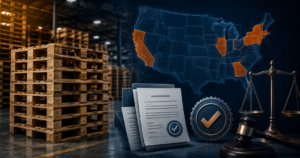
2025 Pallet Tariffs will be imposed on imported pallets made of hardwood, softwood, and certain plastics. Retailers that rely on pallets shipped from Asia and Eastern Europe can expect their purchasing bills to rise.
Extra duties could push pallet prices up by 10 to 25 percent. For large retailers that move thousands of pallets each day, that jump turns into a noticeable rise in shipping costs.
U.S. Pallet Trade Regulations 2025 and Global Effects
The 2025 Pallet Tariffs also include tighter paperwork requirements, mandatory seals for heat-treated wood, and stricter pest-control checks. Any shipment that falls short may be held at the dock or face substantial fines. Other nations, aiming to protect their markets, are rolling out similar rules, which can lead to confusion along trade lanes.
To dodge surprise fees or delays, retailers should monitor these shifting guidelines at home and abroad.
How Trade Disruptions Affect Pallet Prices and Supply Chains
Tariffs and paperwork are only part of the headache. 2025 is shaping up to be another challenging year for global supply chains, marked by port slowdowns, container shortages, geopolitical unrest, and volatile currencies. Each snag chips away at pallet availability and nudges prices higher, making planning more challenging than ever for retailers.
Logistics Risks Due to Trade Policy Changes
When governments change trade rules, trucks can sit in customs for hours or even days, waiting for the necessary paperwork to clear. Those hold-ups push back pallet deliveries and mess up the rest of the supply chain. Inventory cycles slow, warehouse teams lose their rhythm, and promised delivery windows get blown apart. Add seasonal tariffs, and the cost of moving each pallet can shoot up about twenty to thirty percent.
That cost spike hurts, but the bigger problem is the products that stay stuck at the dock. A late shipment of compliant pallets might block hundreds of thousands of dollars’ worth of goods, costing the retailer revenue and frustrating shoppers on the floor.
Tariff-Related Pallet Cost Increases
Tariffs don’t hit the bottom line with a single price hike; they pile on extra fees each time a carton crosses a border, every document a clerk reviews, and every policy-change meeting a team holds. Companies pay new administrative costs, insurance premiums receive a slight increase, and lead times stretch from weeks to months. Taken together, these bite-sized increases can erode profit margins, while pricing across regions fluctuates like a seesaw.
That confusion ripples through the entire business, not just the supply-chain team, which is answering the phone from angry drivers. Marketing, pricing boards, and procurement managers all feel the pinch because every department plans around the same shrinking budget. A telling label on a shelf or an online promo locked behind poor inventory are reminders of that shared pain.
Sourcing Alternatives Amid Tariff Challenges
So, how do retailers steady the ship when tariffs tilt the landscape? The most innovative approach is to spread risk, rather than putting all bets on one country, one factory floor, or one delivery route. Suppliers from neighboring nations, reclaimed domestic pallets, or even pooled rental units can keep operations moving. Working with logistics partners who track policy shifts in real-time adds another layer of protection, allowing retailers to stay ahead instead of chasing the latest headlines.
Domestic Sourcing: A Smart Move?
Choosing a U.S. pallet maker may seem expensive at first, but the benefits usually outweigh the additional cost. Companies such as Pallet Central Enterprises deliver ISO-compliant, sturdy pallets, cutting out tariff headaches and speeding up delivery. They can also design pallets made for your exact load size and warehouse layout.
Teaming up with an American supplier often smooths the flow and locks in steadier prices, even when global markets twitch.
Eco-Friendly and Reusable Options
Stores can gain even more by moving to reusable plastic pallets or heat-treated wood that meet all export rules. Both choices slash future spending and shield the supply chain from sudden material bans or import limits.
Adding green pallets not only guards against tomorrow’s regulations, but it also aligns with the company’s ESG targets and earns praise from eco-conscious shoppers.
Retail Strategies for Supply Chain Volatility
Given the numerous moving pieces, retail leaders need a view that extends years into the future. The aim isn’t merely to scrape through 2025, but to prosper regardless of what happens. By syncing shipping plans with budgets and maintaining a close eye on compliance, businesses can weather every disruption.
Managing Your Pallet Supply Chain in 2025
Success in 2025 will depend on adaptability. Retailers need to take a hard look at their vendor list, track current lead times, and spot any tariff risks. That means teaming up with suppliers who stay on top of trade changes and offer flexible service.
Pallet Central Enterprises, for example, runs customized programs that let you ramp up or down pallet use, so you don’t get stuck paying too much when demand spikes. Their experts also handle compliance paperwork and fresh forecasting, giving you a more straightforward path through uncertain times.
Predictive Planning and Real-Time Monitoring
Additionally, investing in predictive analytics and real-time inventory tools yields significant benefits. When you know exactly how many pallets you need and when, you dodge overordering and costly storage. It also keeps you from scrambling to buy pallets at sky-high prices during any supply jolt in 2025.
How to Prepare for 2025 Pallet Tariffs Now
Retailers who plan today will be better equipped to absorb the impact of 2025 Pallet Tariffs. The secret lies in solid, forward-looking data, intelligent forecasting, and logistics partners who can pivot the moment trade rules change.
Retailers shouldn’t wait for new fees or rules to appear at the docks before they develop a tariff plan. Instead, now is the time to sit down and tally every cost tied to sourcing, shipping, warehousing, and red tape to identify the riskiest links in the chain.
Immediate Actions Retailers Should Take
Protect your pallet network from surging costs and delays by rolling out these proven steps:
- Audit your pallet supply chain: Map each pallet’s journey, from origin to warehouse, and note lead times and tracking methods.
- Create sourcing redundancy: Line up several suppliers in different regions so you’re never stuck relying on a single source.
- Partner with domestic experts: Partner with firms like Pallet Central Enterprises, which are familiar with U.S. regulations and offer reliable, tariff-free options.
- Confirm customs compliance: Double-check that every imported pallet meets the latest wood treatment rules and ISPM-15 guidelines.
- Consider hybrid or reusable pallets: These run-around options often slip past import limits and save money in the long run.
Taking even a few of these simple steps now will soften the blow of 2025 Pallet Tariffs shake-ups, smooth inventory flows, and help protect your bottom line.
Why Pallet Central Enterprises Is a Dependable Partner When Times Are Tough
When trade markets shift overnight, retailers seek logistics partners that can combine rock-solid dependability with swift on-the-ground adjustments. That blend is exactly what Pallet Central Enterprises delivers. After decades spent mastering pallet sourcing, compliance rules, and broad supply chain consulting, the team now turns its hard-earned insights into tools that keep customers one step ahead.
Whether a client needs custom pallets built to export specifications or green designs that trim costs over time, each program is structured to grow with the market. Because all operations are based in the U.S., managers sidestep the looming 2025 tariff risk, protecting budgets while staying export-compliant.
Pallet Central Enterprises goes beyond a simple sale of wood and nails; they provide a roadmap of strategic, future-ready solutions tailored to your unique business needs.
Move Now to Stay Ahead of the 2025 Logistics Reckoning
Everything points to 2025 becoming a logging flashpoint for the retail trade. Soaring fees, global unrest, and shaky supply lines will push pallets from the back room to the forefront of planning.
Retailers who rethink their sourcing, invest in more innovative logistics, and strengthen their ties with domestic suppliers now will sidestep the 2025 pallet tariffs minefield and emerge stronger and more profitable in the long run. Partnering with proven players like Pallet Central Enterprises makes that jump easier and safer.
Adaptability isn’t optional anymore-it’s a necessity. At Pallet Central Enterprises, we can work with your team to shape a pallet strategy that protects your profitability well into the next decade. Don’t wait until today’s headline shows up in tomorrow’s statement; start future-proofing your pallet fleet.
FAQs
What are the 2025 pallet tariffs exactly?
In simple terms, the 2025 pallet tariffs refer to new duties the U.S. government plans to impose on imported wooden and plastic pallets from certain countries. The goal is to level the playing field for domestic manufacturers, reduce fraudulent marketing, and protect the environment.
How will tariffs affect pallet prices for retailers?
Tariffs could increase pallet prices by anywhere from 10 to 25 percent, depending on the material and its country of origin. That higher cost is passed directly into your per-unit shipping fee and ultimately into the overall logistics budget you manage.
What can I do to avoid tariff-related pallet cost increases?
Several steps are available. You can purchase pallets from U.S. manufacturers, switch to compliant reusable styles, or partner with us, Pallet Central Enterprises, to secure tariff-free alternatives and stay ahead of regulatory changes.
Will reusable pallets help with compliance issues?
Absolutely. Many reusable plastic pallets meet the ISO 6780 standard, don’t need treatment, and depend less on overseas raw materials. All these points together make them an attractive substitute for traditional single-use units.
What role does predictive planning play in managing these changes?
Solid forecasting illuminates the road ahead, enabling you to avoid panic buying, clear out costly overstock, and keep your budget on track. A good forecast also tells you when to tweak sourcing, giving you a nimble edge every time the market wobbles.