Have you noticed your pallet costs creeping up lately and wondered what’s really driving the change? You’re not alone. Across industries, businesses are facing the reality of pallet prices rising in 2026, and the reasons go far beyond simple supply and demand.
The fact is that pallet pricing is now more complicated. Lumber price changes, supply chain disruption, automation demand, and other factors are driving the prices high. Consequently, it is no longer optional to get to know these trends. It is critical in cost management and competitive advantage.
In this guide, we’ll break down what’s behind pallet prices rising in 2026, and more importantly, what smart buyers can do about it.
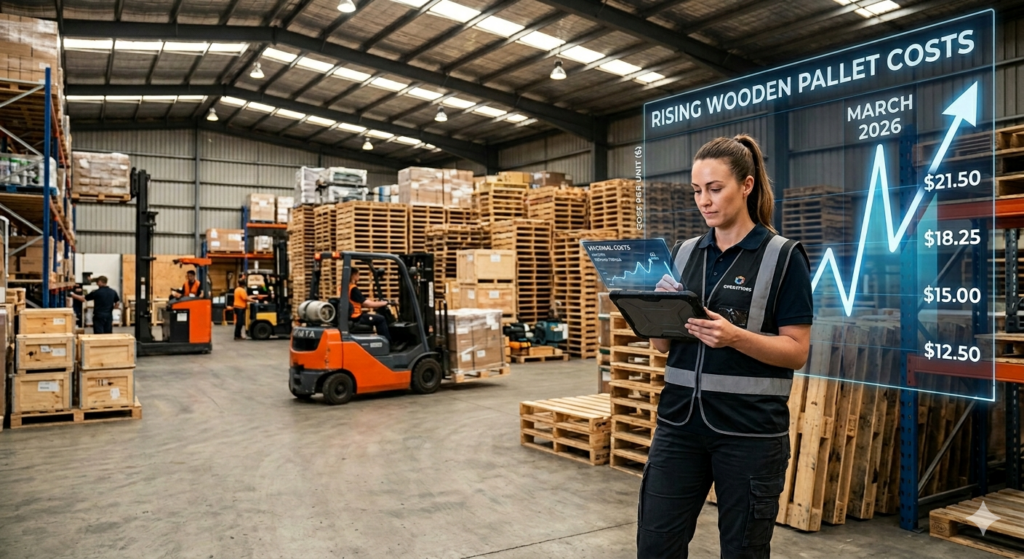
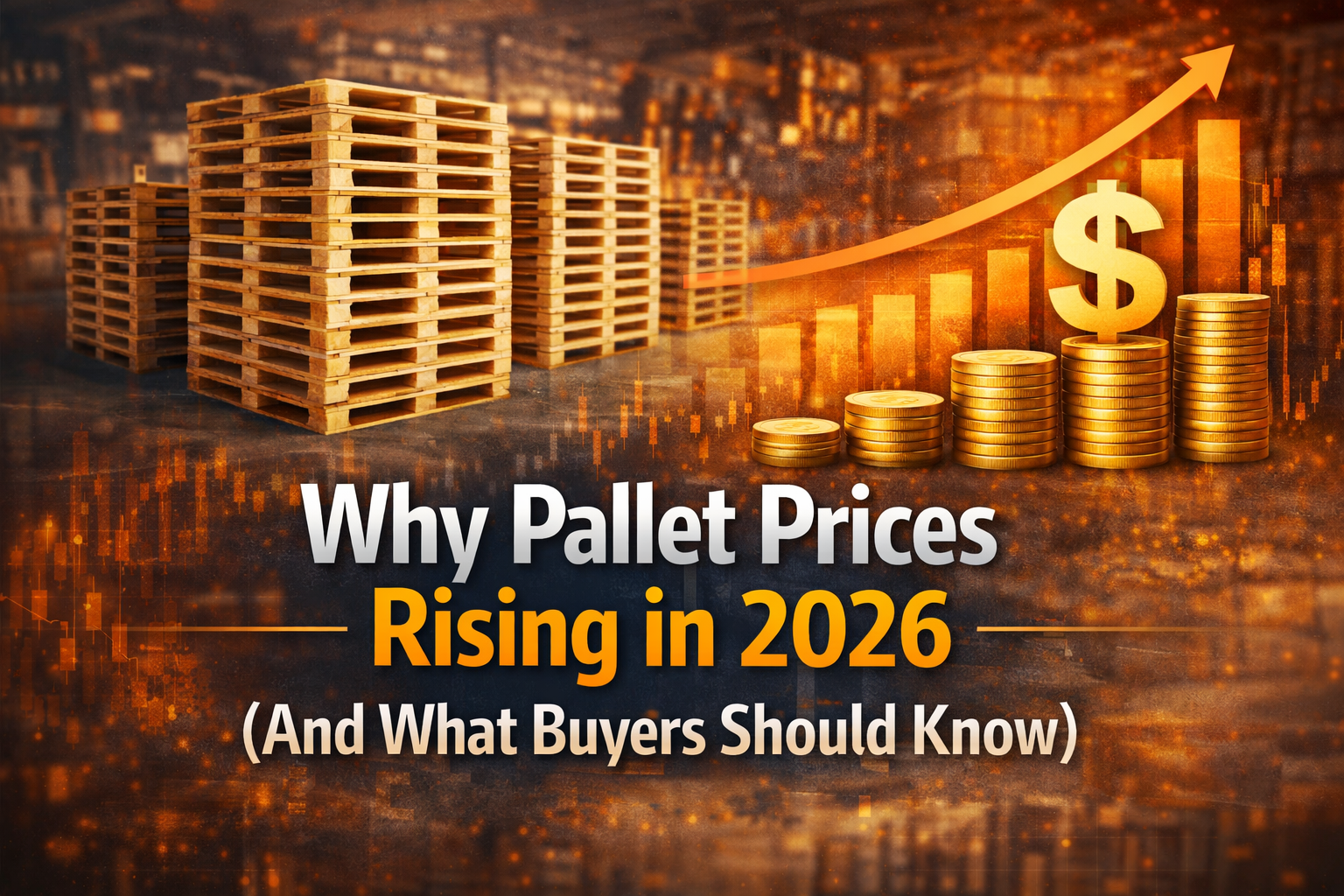
Understanding the Current Trend of Pallet Prices Rising in 2026
This increase in pallet cost did not occur within a single day. Rather, it has evolved over the years as a result of various cross-cutting tensions in the global supply chain.
Firstly, the prices of raw materials have gone up considerably. The lumber (which continues to be the major material used in most pallets) has experienced volatility in prices. This increases the cost of production among manufacturers.
Second, transportation costs keep rising. Increased delivery cost is brought about by fuel prices, driver shortages and logistics delays. Thus, pallets sourced locally can also be more expensive.
Lastly, there has been an increase in demand. The growth of E-commerce and the development of warehouses have led to a stable demand of pallets. This demand usually exceeds supply in critical areas, pushing up the prices further.
Key Factors Driving Pallet Price Increases
To get a comprehensive picture of pallet prices growing in 2026, one should consider the primary causes of the trend.
1. Lumber Cost Fluctuations
Lumber prices remain one of the biggest influences on pallet costs. When timber supply tightens or demand rises, pallet manufacturers feel the impact immediately.
For instance, weather events, logging restrictions, and export demand can all affect lumber availability. Consequently, pallet production costs increase.
2. Rising Manufacturing Costs
Labor shortages in manufacturing continue to affect production. Skilled workers are harder to find, which drives wages higher.
At the same time, energy costs for operating mills and production facilities have increased. Therefore, the overall cost of pallet manufacturing continues to rise.
3. Transportation and Logistics Costs
Shipping pallets is not cheap. Fuel price volatility and freight capacity issues add pressure to logistics costs.
Additionally, supply chain disruptions create delays. These delays often require alternative routes or expedited shipping, which increases expenses further.
4. Growing Demand from E-Commerce and Automation
E-commerce continues to expand rapidly.More warehouses and distribution centers mean more pallets are needed.
At the same time, automation systems require consistent, high-quality pallets. This demand for better-engineered pallets increases production costs and reduces supply availability.
How Supply Chain Disruptions Are Impacting Pallet Costs
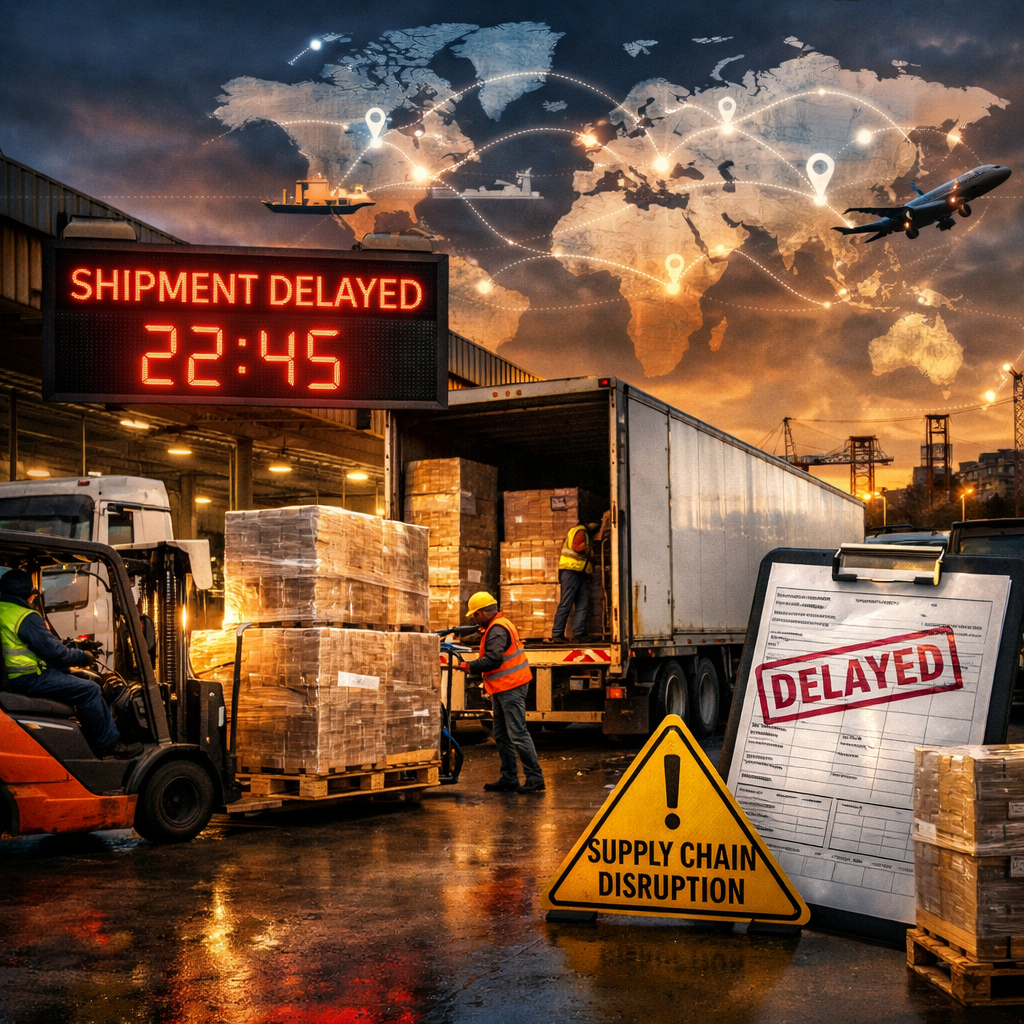
Supply chain instability plays a major role in pallet prices rising in 2026. Even small disruptions can create ripple effects across the entire market. For example, delays in raw material shipments slow down production. When manufacturers cannot meet demand, prices increase.
Additionally, global trade issues and port congestion continue to affect material flow. Therefore, pallet suppliers must adjust pricing to manage uncertainty. According to global supply chain insights from organizations like the World Bank, disruptions in logistics networks remain a key challenge for manufacturing industries.
As a result, pallet buyers must prepare for ongoing volatility rather than expecting quick stabilization.
The Role of Sustainability and Regulations in Pricing
Sustainability is becoming a major factor in pallet pricing. While eco-friendly practices are beneficial, they can also increase short-term costs. For instance, regulations around sustainable sourcing may limit available timber. This reduces supply and raises prices.
At the same time, companies are investing in pallet recycling and reuse programs. Although these programs reduce long-term costs, they require upfront investment. However, this shift also creates opportunities. Businesses that adopt sustainable pallet strategies often gain cost advantages over time.
Increasing Demand from Warehouse Expansion
Warehouse growth continues to accelerate worldwide. New distribution centers require thousands of pallets to operate efficiently.
Therefore, demand keeps rising faster than supply in many regions. This imbalance directly contributes to pallet prices rising in 2026.
Automation adds another layer to this demand. Facilities now require pallets that meet strict specifications for AGVs and conveyor systems. These engineered pallets cost more to produce. As a result, buyers must plan ahead and secure reliable supply sources.
How Pallet Central Enterprises Helps Buyers Navigate Rising Costs
Navigating pallet prices rising in 2026 requires more than just finding the lowest price. It requires a strategic approach to sourcing and lifecycle management.
Pallet Central Enterprisesworks closely with businesses to provide cost-effective pallet solutions tailored to their operations. From bulk pallet pricing to custom-engineered designs, their team helps reduce long-term expenses while maintaining quality and reliability.
By partnering with Pallet Central Enterprises, companies gain access to smarter procurement strategies, repair programs, and sustainable pallet options that improve overall efficiency.
What Buyers Should Focus on Right Now
Instead of reacting to price increases, buyers should take a proactive approach. Focus on long-term value rather than short-term savings. Consider durability, repairability, and lifecycle costs when evaluating pallet options.
Additionally, building strong supplier relationships can help secure better pricing and consistent availability.
Smart Strategies to Manage Costs Despite pallet prices rising in 2026
Rising costs can feel unavoidable. However, smart buyers don’t just absorb the increase. They adapt their strategy.
First, focus on long-term value instead of unit price. A cheaper pallet that breaks quickly often costs more over time. Therefore, durability should always be part of the decision.
Second, evaluate supplier relationships. Reliable suppliers can offer better pricing stability during volatile periods. In contrast, switching suppliers frequently may lead to inconsistent quality and higher costs.
Practical Cost-Control Approaches
To stay competitive while pallet prices rising in 2026, consider these strategies:
- Buy pallets in bulk to secure better pricing and consistent supply
- Invest in reusable pallets to reduce long-term replacement costs
- Work with suppliers offering repair and recycling programs
These approaches help reduce overall expenses while maintaining operational efficiency.
The Growing Importance of Pallet Pooling and Reuse
Pallet pooling is gaining attention as a cost-saving solution. Instead of purchasing pallets outright, companies share a pool of reusable pallets managed by a provider. This model reduces upfront costs. It also ensures access to high-quality pallets without the burden of maintenance.
Additionally, reuse programs extend pallet life. Repairing and reusing pallets lowers demand for new materials. Therefore, businesses can reduce costs while supporting sustainability goals. As pallet prices rising in 2026, these solutions become more attractive for companies looking to optimize budgets.
Bulk Purchasing vs On-Demand Buying
Buying pallets in bulk can provide significant cost advantages. Suppliers often offer discounts for large orders. This helps offset rising prices. However, bulk purchasing requires storage space and upfront investment. Therefore, it may not suit every business.
On the other hand, on-demand buying offers flexibility. Companies can adjust orders based on immediate needs. However, this approach often comes with higher per-unit costs. The best strategy often combines both. Secure a baseline inventory through bulk purchases, then supplement with smaller orders as needed.
Future Outlook: Will Pallet Prices Stabilize?
Many buyers hope that prices will drop soon. However, the outlook suggests a more gradual shift rather than a sharp decline. Lumber markets may stabilize over time. However, demand from e-commerce and automation will likely remain strong. Therefore, pricing pressure may continue.
Additionally, sustainability initiatives and regulatory requirements may keep costs elevated. These changes improve long-term industry health, but they also affect short-term pricing. As a result, businesses should plan for continued fluctuations rather than expecting immediate relief from pallet prices rising in 2026.
Building a Long-Term Procurement Strategy
Instead of reacting to price increases, successful companies take a long-term approach. Start by analyzing your pallet usage patterns. Identify where losses, damage, or inefficiencies occur. Then, implement strategies to improve pallet lifecycle management.
For instance, tracking pallet performance can reveal opportunities for cost savings. Similarly, standardizing pallet specifications can improve efficiency across operations.
Working with experienced providers like Pallet Central Enterprises can also make a difference. Their expertise helps businesses navigate market changes and implement cost-effective solutions tailored to their needs.
Conclusion: Staying Ahead of pallet prices rising in 2026
So, what does all this mean for your business? Simply put, pallet prices rising in 2026 are driven by a mix of material costs, supply chain challenges, and growing demand.
While these factors may feel outside your control, your response is not. By focusing on smarter procurement, reusable pallet systems, and strong supplier partnerships, you can reduce costs and improve efficiency.
In today’s market, pallets are more than just a shipping tool. They are a critical part of your supply chain strategy. Therefore, understanding and adapting to pallet prices rising in 2026 will help you stay competitive and prepared for what comes next.
FAQs
1. Why are pallet prices rising in 2026?
Rising material costs, supply chain disruptions, and increased demand from e-commerce and automation are the main drivers.
2. How do lumber prices affect pallet costs?
Lumber is a primary material for pallets. When its price increases, pallet manufacturing costs rise as well.
3. Can businesses reduce pallet costs?
Yes. Strategies like bulk buying, pallet pooling, and reuse programs help lower overall expenses.
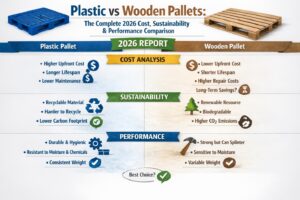
4. Are plastic pallets cheaper than wooden pallets?
Plastic pallets often have higher upfront costs. However, they may offer better long-term value due to durability.
5. Will pallet prices go down soon?
Prices may stabilize gradually. However, strong demand and ongoing supply chain challenges may keep costs elevated.