Modern supply chains rely on cold chain logistics for delivering safe transportation of products that require specific temperature maintenance including pharmaceuticals food and chemicals. These products fail to maintain their state or safety standards when temperature control systems fail to operate correctly. Cold chain logistics depends heavily on the shipping platform because this pallet serves as both the storage unit and the handling mechanism and the transportation base for products.

Cold application pallet selection requires more than material selection because it requires thorough knowledge of load capacity together with durability and compliance with hygiene guidelines and automated system compatibility. Poor selection of pallets will lead to product contamination as well as decreased operational efficiency and increased product loss possibilities. PCE (Pallet Central Enterprises) specializes in cold chain logistics they assist businesses to choose optimal pallet solutions that maintain industry standards and maximize both durability and economic efficiency.
Understanding Cold Chain Logistics and the Role of Pallets
What is Cold Chain Logistics?
The supply chain system based on temperature control works as a cold chain to maintain perishable goods’ safety and quality while ensuring their integrity during storage and transport. The industry utilizes this method in food and beverage production and pharmaceuticals and biotechnology sectors along with chemicals because temperature variations cause product effectiveness issues.
To achieve positive cold chain results, one must execute proper coordination between refrigerated storage units together with temperature-controlled transportation practices and real-time monitoring systems and specialized pallet options. Every component function to maintain product temperature within specific requirements during the complete journey from origin to delivery.
Why the Right Shipping Platform Matters in Cold Chain Logistics?
Cold chain logistics functions on the basic principle of pallets. These support the production of risk-free handling systems as well as optimal storage methods and useful transportation procedures for perishable goods. The use of pallets in cold conditions remains limited to specific suitable solutions. Product safety together with stability suffers when some materials develop cracks while warping as well as absorbing moisture.
The right pallet selection ensures:
- Equipment design features even air movement which prevents temperature variation between products.
- The procedure reduces contamination hazards through product handling minimization.
- The system increases storage efficiency which optimizes available space effectively.
- The system enables flawless automation operation which decreases manual labor requirements and handling expenses.
A wrong pallet choice will lead your operation to lose products and fail inspections and create operational difficulties. The selection process of the appropriate shipping platform for cold chain needs is a fundamental aspect within PCE’s business approach.
How PCE Helps Businesses Select the Right Cold Chain Pallet
Key Factors to Consider When Choosing a Cold Chain Pallet
The selection of a pallet for cold chain logistics requires elements beyond simple price considerations along with available options. Multiple elements need evaluation to establish the suitability of pallets as long-term storage solutions in temperature-sensitive areas. PCE (Pallet Central Enterprises) conducts thorough assessments across all factors to verify that business investments in pallets lead to maximum operational performance as well as regulatory compliance.
Material Suitability for Cold Storage
The cold performance of pallets depends on their manufacturing material. The cold nature of refrigerated storage makes wooden pallets an unideal choice because their moisture absorption capabilities create conditions where mold growth and contamination occur. Plastic alongside composite pallets is chosen by the market because they both demonstrate superior moisture resistance while providing extended durability alongside easy sanitization capabilities.
Each business must use material that PCE selects based on its ability to hold up during severe temperature conditions without damage to structure or contamination risks.
Durability in Extreme Conditions
Throughout cold chain environments pallets encounter both freezing conditions along with high humidity combined with multiple instances of physical stress because of repeated handling sessions. The use of inadequate pallets that fail to maintain structure strength will lead to severe cracking which results in product deterioration and delayed supply chain operations.
Through PCE businesses can identify reinforced plastic and composite pallets which demonstrate resistance to warping while remaining crack-free, nonbrittle so they can sustain long-term use in frozen storage.
Hygiene and Compliance Standards
Epidemiological and pharmaceutical management sectors need to follow precise regulatory frameworks to stop product contamination. All pallets serving these industry sectors need to fulfill the requirements stated in FDA, USDA plus Good Manufacturing Practices (GMP).
Plastic pallets stand apart from wooden pallets because they possess smooth surfaces that enable efficient sanitation procedures. PCE’s selection process guarantees every pallet is checked for maximum hygiene compliance which minimizes product recalls together with safety violations.
Load-Bearing Capacity and Efficiency
Cold storage facilities place weight restrictions on their warehouses and transport vehicles thus companies should pick pallets which offer durability but do not exceed the weight capacity.
PCE evaluates load-bearing requirements to ensure businesses use pallets that:
- The material is able to carry heavy weights without breaking because it does not bend.
- The selected material should be light enough to minimize shipping expenses.
- Enhance warehouse storage efficiency.
Companies need PCE to optimize their operations while achieving a balance between strength, weight and device reliability.
Compatibility with Automation Systems
Automated techniques play a vital role in producing modern cold storage facilities because they deliver effective goods handling and tracking performance. Some pallets lack compatibility with automatic conveyor systems along with robotic handling equipment and quick sorting equipment.
PCE selects pallets which must fulfill the following requirements:
- A standardized cold storage racking system should be fitted into the facility structure.
- The equipment operates in full coordination with automated storage systems.
- Reduce handling errors and downtime.
PCE helps businesses achieve faster reliable supply chains through recommendations about pallet designs suitable for automation.
Enhancing Cold Chain Efficiency with the Right Pallet Solution
How the Right Shipping Platform Improves Cold Storage Operations
A properly designed pallet system supports many advantages throughout cold chain operations:
- The system enables airflow that controls temperature fluctuations.
- The system facilitates fast transfer operations since it minimizes personnel handling duration.
- Warehouse organization receives enhancement which leads to better overall storage space utilization.
- The solution boosts sustainability through its durable and recyclable materials.
Case Study: Pallets in Vaccine Distribution
The COVID-19 pandemic caused the requirement for ultra-cold storage systems to increase because of vaccine distribution needs. A suitable pallet system became essential to protect the vaccine integrity from damage.
The expertise at PCE allowed them to choose suitable pallets for temperature-sensitive applications:
- Compliance with Good Distribution Practices (GDP).
- Stable pallet performance at -70°C or lower.
- The pallet structures minimize contamination hazards while pharmaceuticals are transported between destinations.
The situation demonstrates the vital importance of choosing appropriate pallets for mission-determining cold chain supply chain operations.
Innovations in Cold Chain Pallet Technology
Smart Pallets for Real-Time Monitoring
The cold chain logistics industry progresses with technology-supported pallet solutions. PCE delivers solutions for business integration of smart pallet systems which include:
- The implementation of RFID tracking enables the system to provide real-time visibility of locations throughout the operation.
- The system contains temperature sensors which check environmental conditions.
- IoT connectivity for seamless supply chain communication.
Sustainable and Reusable Pallet Solutions
Modern businesses are placing increasing importance on developing green solutions for cold chain logistics. Through PCE companies gain access to three innovative pallet solutions which include:
- The company offers recyclable plastic pallets that help minimize waste sent to landfills.
- The company produces durable combination materials which perform as lasting storage solutions.
- The implementation of closed-loop pooling systems protects the environment by reducing its impact.
The implementation of sustainable pallet solutions enables businesses to speed up operations alongside decreased environmental impact through reduced emissions.
Overcoming Common Challenges in Cold Chain Pallet Management
Ensuring Durability in Extreme Temperatures
The main difficulty in cold chain logistics management involves keeping pallets functional during harsh temperature extremes. Pallet materials become more brittle in frozen temperatures which may result in divides or structural deformities or destruction of materials. The widespread use of wooden pallets results in moisture absorption that leads to contaminating mold growth. Plastic pallets fail to resist low temperatures when they lack proper design characteristics for this use type. The pallet selection expert system from PCE (Pallet Central Enterprises) assists organizations to find pallet solutions which resist moisture and stand up to hot and cold temperatures without breaking in sub-zero storage facilities.
Preventing Cross-Contamination in Cold Storage
Cross-contamination stands as a severe concern that affects operations within food sector and pharmaceuticals and chemical industries. Any material used for pallets needs to reach specific hygiene requirements to stop bacteria development and potential product contaminations. High-risk industries cannot use wooden pallets as they become hosts for allergens along with mold and harmful residues that make them inappropriate for these sectors. By using PCE businesses can obtain pallet materials with low permeability which are simple to clean and regulatory compliant for FDA, USDA, and GMP safety standards to prevent contamination.
Maximizing Space and Load Efficiency
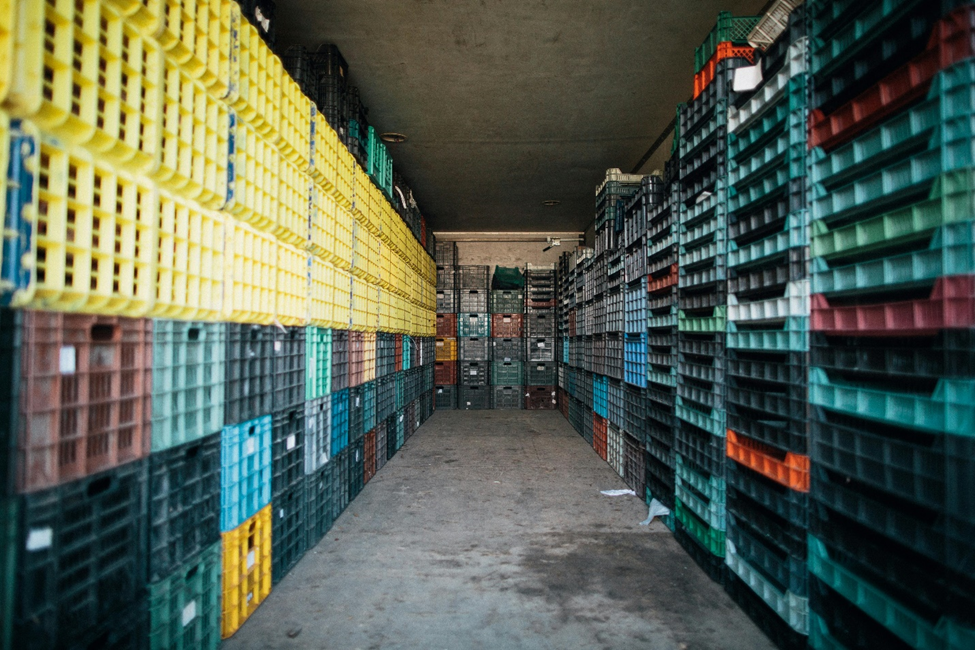
The efficient use of storage space together with loading capacity determines success in cold storage facilities. The limited storage space in facilities becomes more inefficient due to poor pallet design choices that create operational slowdowns and wasted space. The pallet design must have capabilities that work with automated warehouse systems in order to speed up handling processes and decrease operational expenses. PCE enables businesses to select optimized pallet designs which optimizes storage efficiency and automates pallet-operation alongside supply chain performance optimization with reduced costs.
Conclusion
An appropriate shipping system for refrigerated products becomes crucial because it protects product quality while simultaneously boosting operational effectiveness and meeting regulatory requirements. PCE helps companies select appropriate pallets that combine strength and regulatory compliance together with cost-effectiveness for their cold chain requirements.
Businesses will achieve the most efficient supply chain management and reduce product waste and increase sustainability through PCE (Pallet Central Enterprises) expertise while complying with industry regulations.
FAQs
1. Why is pallet selection important in cold chain logistics?
The use of pallets ensures stability and delivers both pollution prevention and proper airflow which protects perishable goods by maintaining their appropriate temperature range.
2. What is the best pallet material for cold storage?
Raw materials such as plastic and composite meet preference criteria for cold chain operations due to their moisture-blocking abilities and long-term stability and sanitary characteristics.
3. How does PCE assist with pallet selection?
The process of PCE (Pallet Central Enterprises) uses material evaluation alongside durability assessment and compliance testing and automation examination to yield optimal pallet choices.
4. How do smart pallets benefit refrigerated transport?
Smart pallets track movements in real-time while monitoring temperatures to stop product spoilage while increasing supply chain operational efficiency.
5. Are sustainable pallets a good choice for cold storage?
Yes, plastic pallets together with composite pallets have both durability properties and reduce environmental impact.